
Is Salamanca a land of wines?
Yes. The answer is a resounding yes.
Salamanca is famous for its academic culture and historic architecture. It's known as the Spanish Oxford. Who hasn’t searched for the frog or the astronaut? But western Salamanca holds a little-known treasure: its wine cellars and an enogastronomic experience you won’t want to miss.
In this article, I’ll guide you through the wonders this region offers in terms of wines and unique culinary experiences.
Exploring Salamanca’s Wine Region
Western Salamanca, located on the border with Portugal, is a land of natural contrasts. Here, the Béjar and Francia mountain ranges meet the Arribes del Duero Natural Park,recognized by UNESCO as by UNESCO as a Biosphere ReserveReserve for its environmental quality and sustainable development. In this magical corner, you can discover and enjoy true tranquility—its craftsmanship, landscapes, and views. And, of course, its delicious food paired with gentle wines that capture the essence of this land. These wines have given rise to several wineries that form part of Salamanca’s wine routes.
The treasure of the Rufete grape
The Rufete grape Rufete is the native and predominant grape variety, grown from old vines to produce young wines. It results in fresh wines that preserve the character of their slate- and granite-rich soils.
Rufete is highly adapted to the area. It grows in small, compact clusters, with medium-sized berries with thin skins. It is cultivated on small terraces surrounded by native vegetation, giving the vineyards the appearance of gardens rather than traditional vineyards.
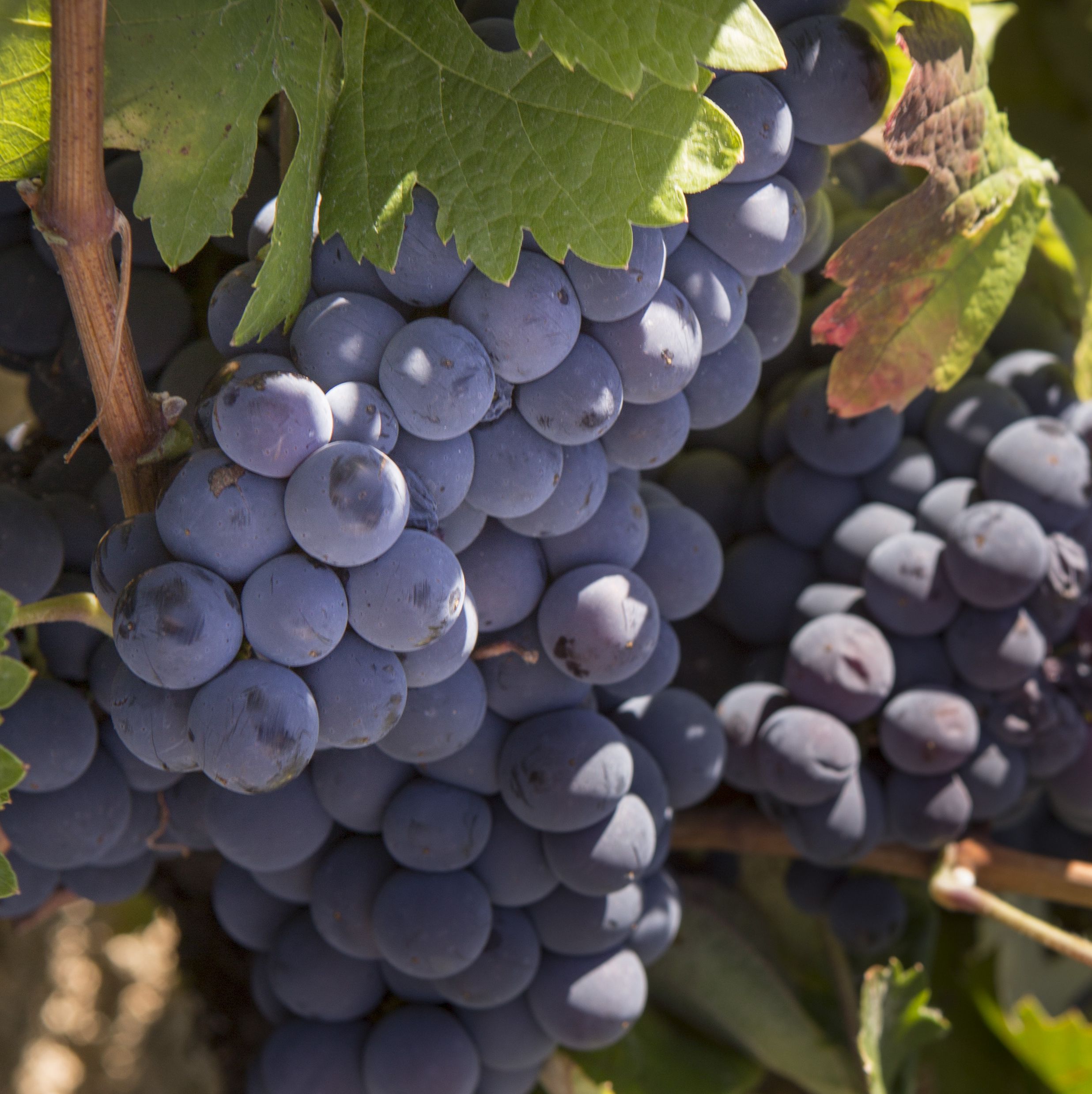
For a moment of technicality (though I tried to avoid it): these red wines show a bright cherry-red tone, with an aromatic expression reminiscent of raspberries and wild strawberries, herbal hints, and subtle spices. In a Salamanca wine tasting you’ll notice these wines are very pleasant on the palate, with notable acidity and sweet, delicate tannins (that dry sensation on the gums, like black tea). They also have a moderate alcohol content.
The rufete grape is an autochthonous variety that is grown on small terraces, surrounded by vegetation. It is grown on old vines to produce young wines. The result of this variety is fresh wines that preserve the origin of its slate and granite soils. It is characterised by its small, tight clusters and medium-sized berries with thin skins.
Rufete wines present a beautiful cherry-red color and an aromatic profile evoking raspberries, wild strawberries, herbal nuances, and spicy notes. On the palate, they’re pleasant, with notable acidity and sweet, delicate tannins, along with moderate alcohol levels
Wineries you must visit
For a complete wine experience in Salamanca, I recommend my favorite wineries—,curious, intimate places with stories behind them.
I’ve selected three wineries from two different areas:: Sierra de Francia and Los Arribes del Duero..
Cellar "La Zorra"— The name alone sparks passion and curiosity.
This winery is located in the charming village of Mogarraz, in the Sierra de Francia, known for the hundreds of portraits displayed on the façades of its houses.
This winery has a special place in my heart because when I told Agustín, the owner, about this project, he immediately said I could count on him—something that means a lot to an entrepreneur.
Agustín will welcome you warmly and guide you through a sensory tasting. You can also pair his wines with local dishes such as limón serrano, a curious, surprising, and refreshing dish. You can savor it at the Mira Sierra restaurant.
Tip: Try a wine labeled as raro—you’ll see what I mean.
“Dominio del Noveno”— Although not part of the Sierra de Salamanca PDO, this winery in San Felices de los Gallegos, within Arribes del Duero, is a small secret worth discovering. Enjoy the landscape, the countryside aroma, and the hospitality of Melisa and Ángel as you explore their wines in their countryside cottage, La Lobaguera.

Finally, the cellar “El Rochal”— This small winery in Santibáñez de la Sierra, Sierra de Francia, has made a name for itself with its unique style and use of native grapes such as Rufete and Juan García. It's an essential stop for wine lovers seeking unique, authentic flavors.

An Unforgettable Gastronomic Route
As you can see, you can not only visit the most well-known wineries and wine areas; our country’s wine offerings go much further.
That’s why Lavetonia invites you to discover new places,, new gastronomic experiences, and, whenever possible, those hidden corners of Spain’s “emptied” rural regions.
Want to enjoy a complete gastronomic experience?
I invite you to take a road trip through Salamanca, starting from “Little Rome,” the city of Salamanca. Spend one day at each of the wineries I’ve mentioned, and I’m sure you’ll end your visit with a wonderful taste in your mouth. Exploring a destination through your senses is an experience you’ll never forget.
Join the Lavetonia adventure
As a life philosophy in the world of wine, you must explore the unknown, try different wines, and support rural areas and local producers—even if they’re not in the Peñín Guide rankings or Mr. Parker’s portfolio.
If you’d like to visit these wineries and discover even more of Salamanca’s wine treasures write to me at hola@lavetonia.com!
I’m ready to design a custom route spices up your trip with workshops and gastronomic visits, so you can fully enjoy this hidden gem of Spain.

